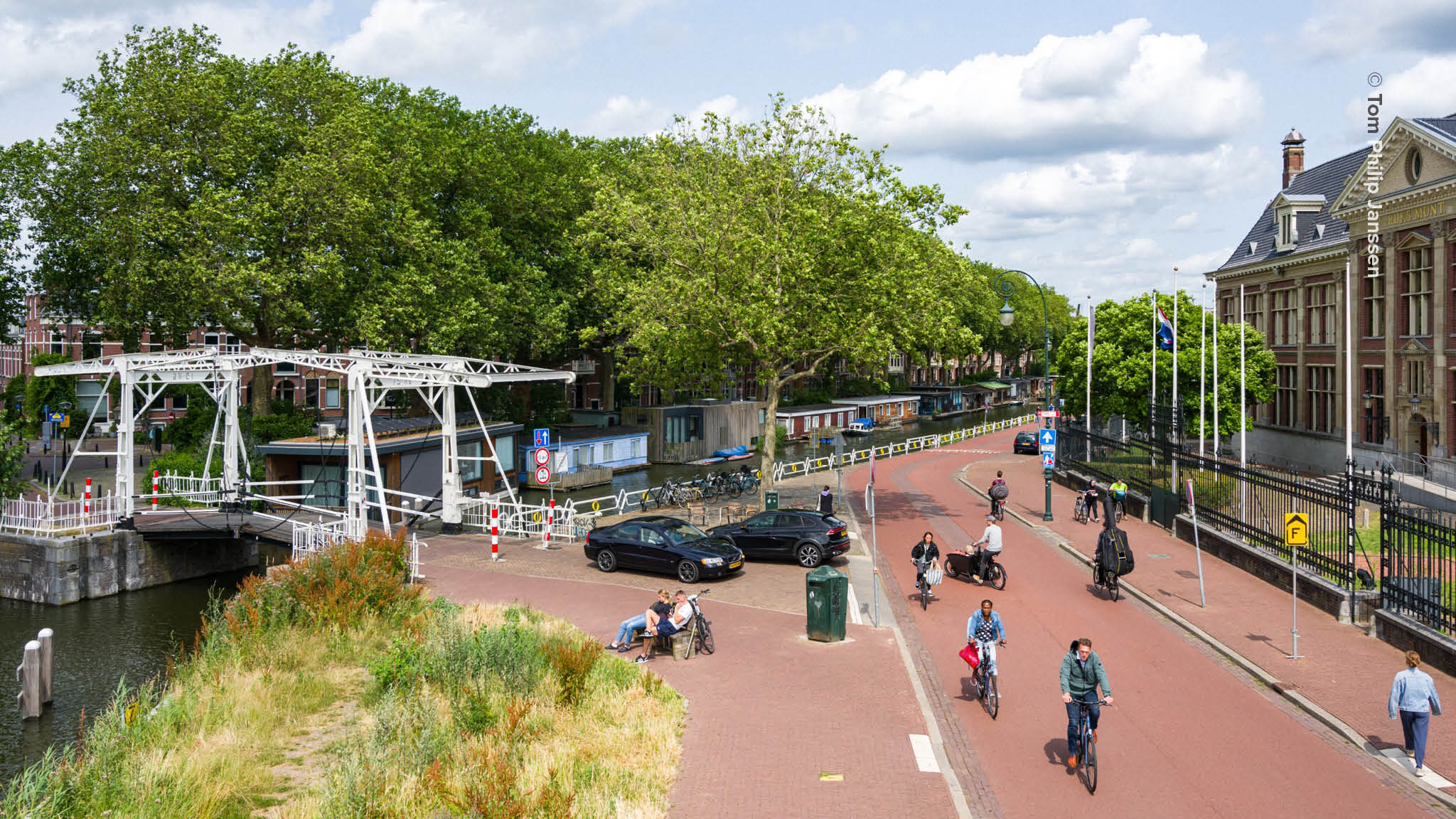
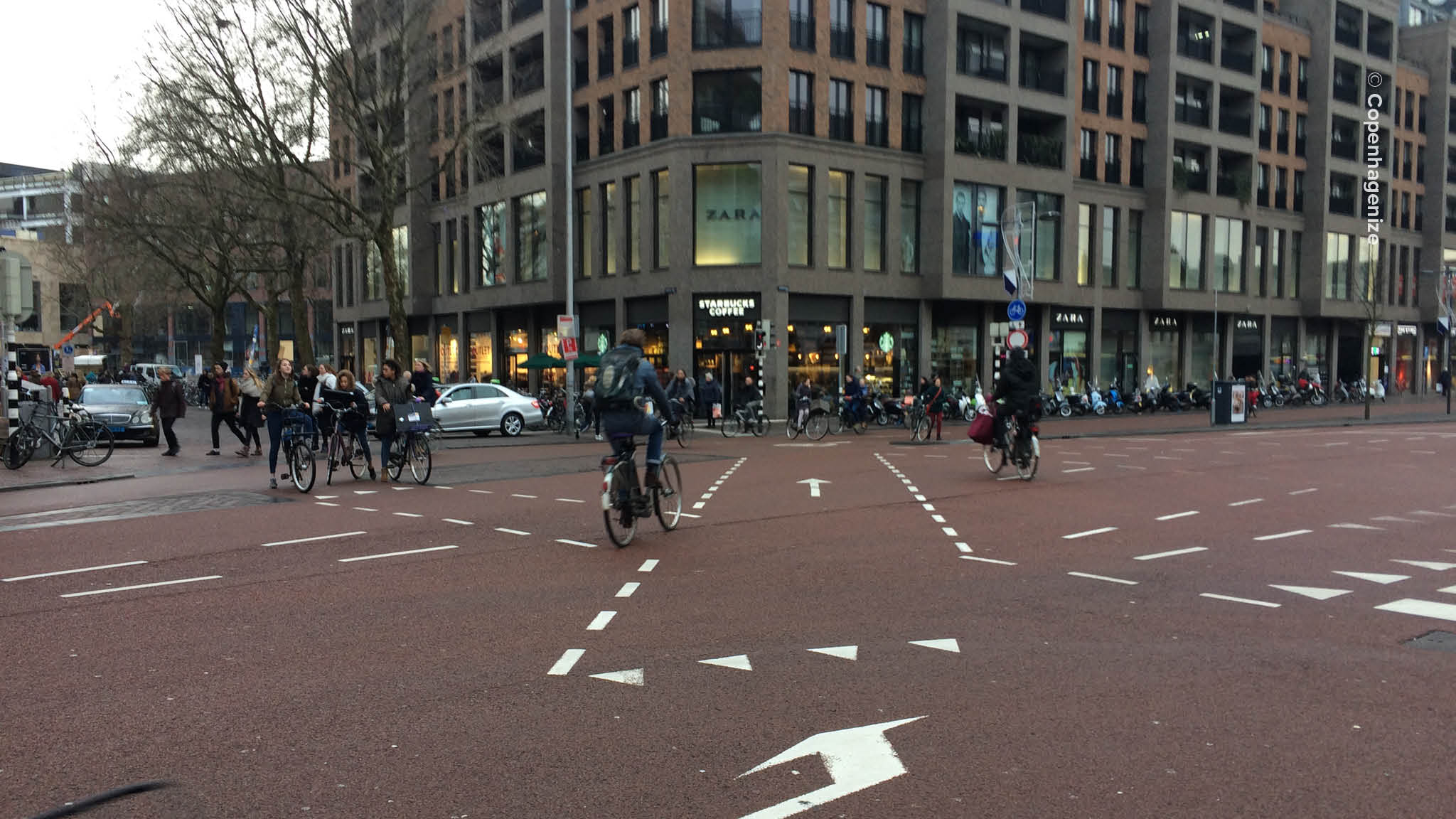
Utrecht’s success combines a connected cycling network, safe and calm streets, and a growing number of bicycle-priority corridors that together have produced one of the most complete urban cycling systems in the Netherlands. With an annual cycling budget of 63€ per person, the city’s investments go far beyond tracks and bicycle streets, integrating cycling into urban development and planning. More than 100,000 combined on-street racks and guarded spaces ensure parking matches demand, from neighborhoods to the Utrecht Central Station, home to the world’s largest indoor bicycle parking garage. Utrecht’s infrastructure and parking forms a complete, cohesive, and comfortable ecosystem, where the bicycle has become the default mode of transportation in everyday life. What sets Utrecht apart is that it has understood something paramount long before most others, that the goal is no longer to make space for cycling, but to construct the city around cycling. It has moved beyond infrastructure delivery to reimagining how the city can function: redefining circulation, reclaiming space, and turning the bicycle into the organizing principle of urban life.
The Mobiliteitsplan 2040 continues to embed cycling into every planning decision so that this dynamic mid-sized city will maintain its livability as it continues growing. Recent projects highlight Utrecht’s philosophy of reclaiming streets from cars, by reducing or eliminating them entirely, and creating even more space for bicycles and people. The city is now hardly pondering on the decision of where to put more cycle tracks, but rather if the street needs cars at all. Nachtegaalstraat was transformed into a cycling street, reducing car lanes and adding trees, furniture, and wider sidewalks for the 15,000 cyclists passing through daily. Amsterdamsestraatweg took away parking spots for cars to make room for wider cycle tracks, lower speeds, and speed bumps. The Westelijke Stadsboulevard transformed a four-lane artery into a green boulevard with safer crossings and lower speed limits for automobiles.
If Utrecht tops this year’s ranking, it’s also because it has gone beyond infrastructure and parking. Through the Fietsdeals program, residents with low income can buy refurbished bikes for only €30, a price that even includes one year of free repairs. A few thousand bicycles have already been distributed through this program. Meanwhile, Utrecht’s Cargobike Festival and partnerships with operators like Cargoroo and OV-fiets promote cycling as a mainstream mobility option, both for individuals and businesses alike. Advocacy groups like Fietsersbond Utrecht and the Bicycle Mayor keep civic dialogue alive, making sure cyclists have a voice in every decision.