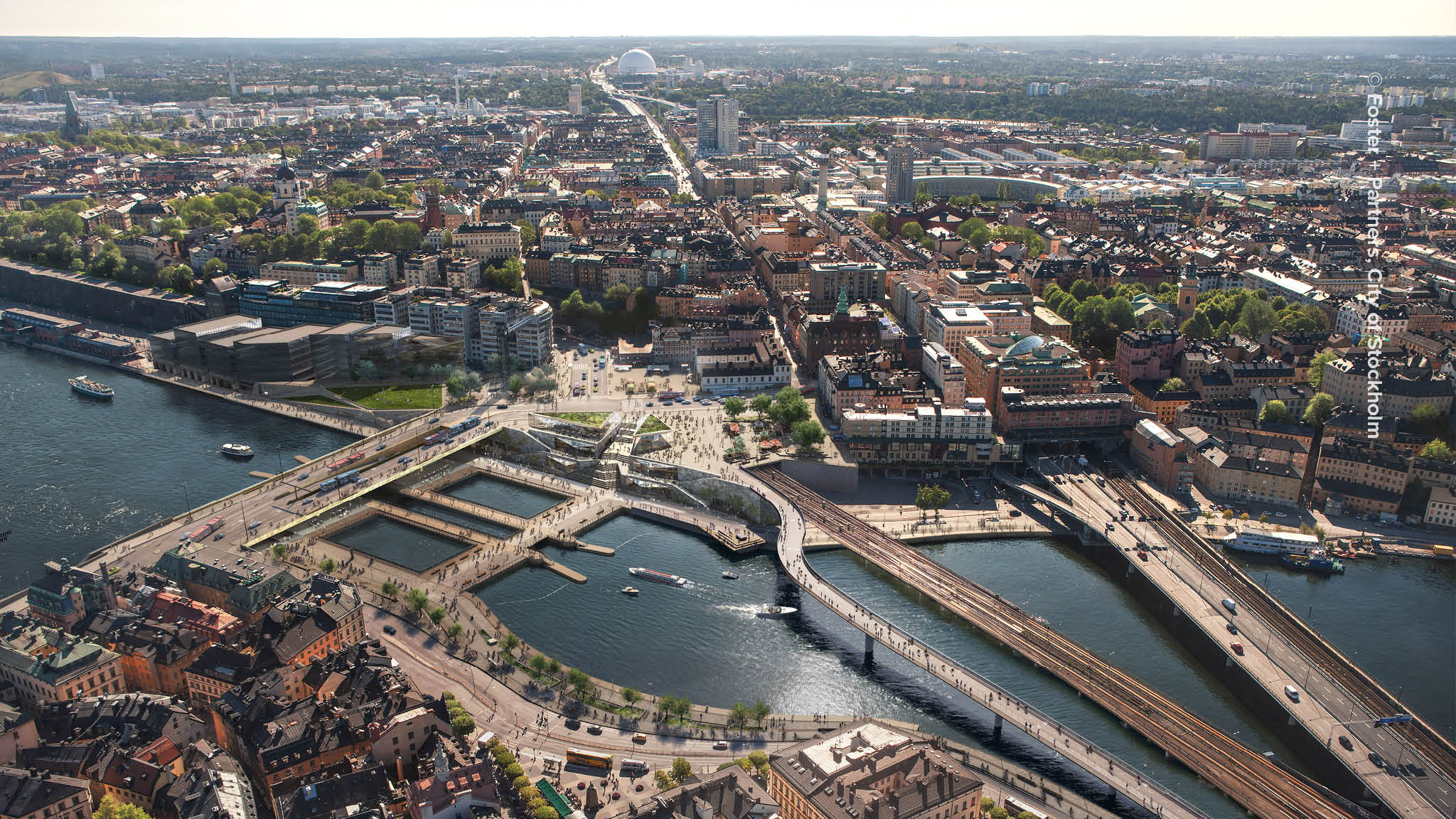
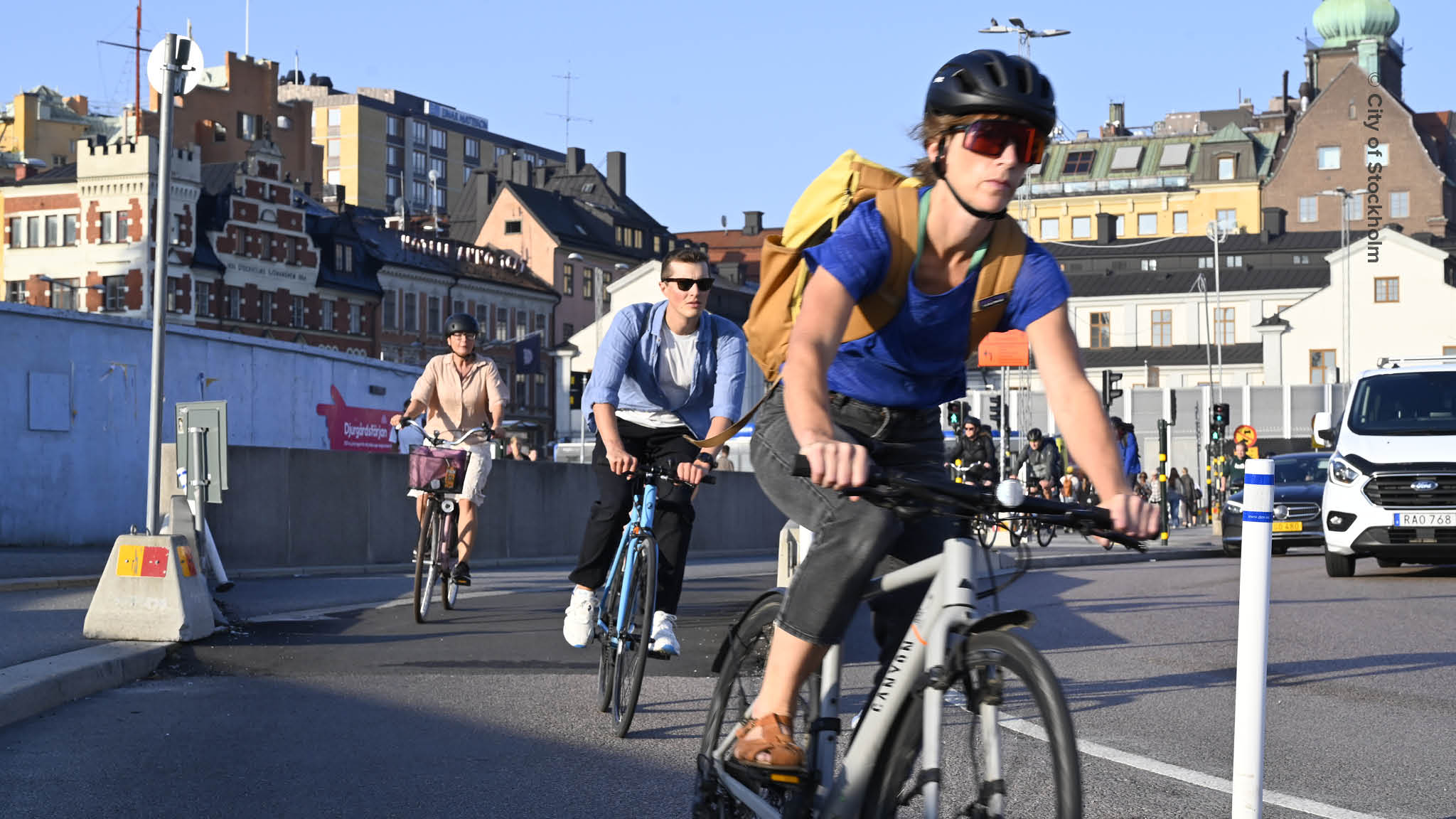
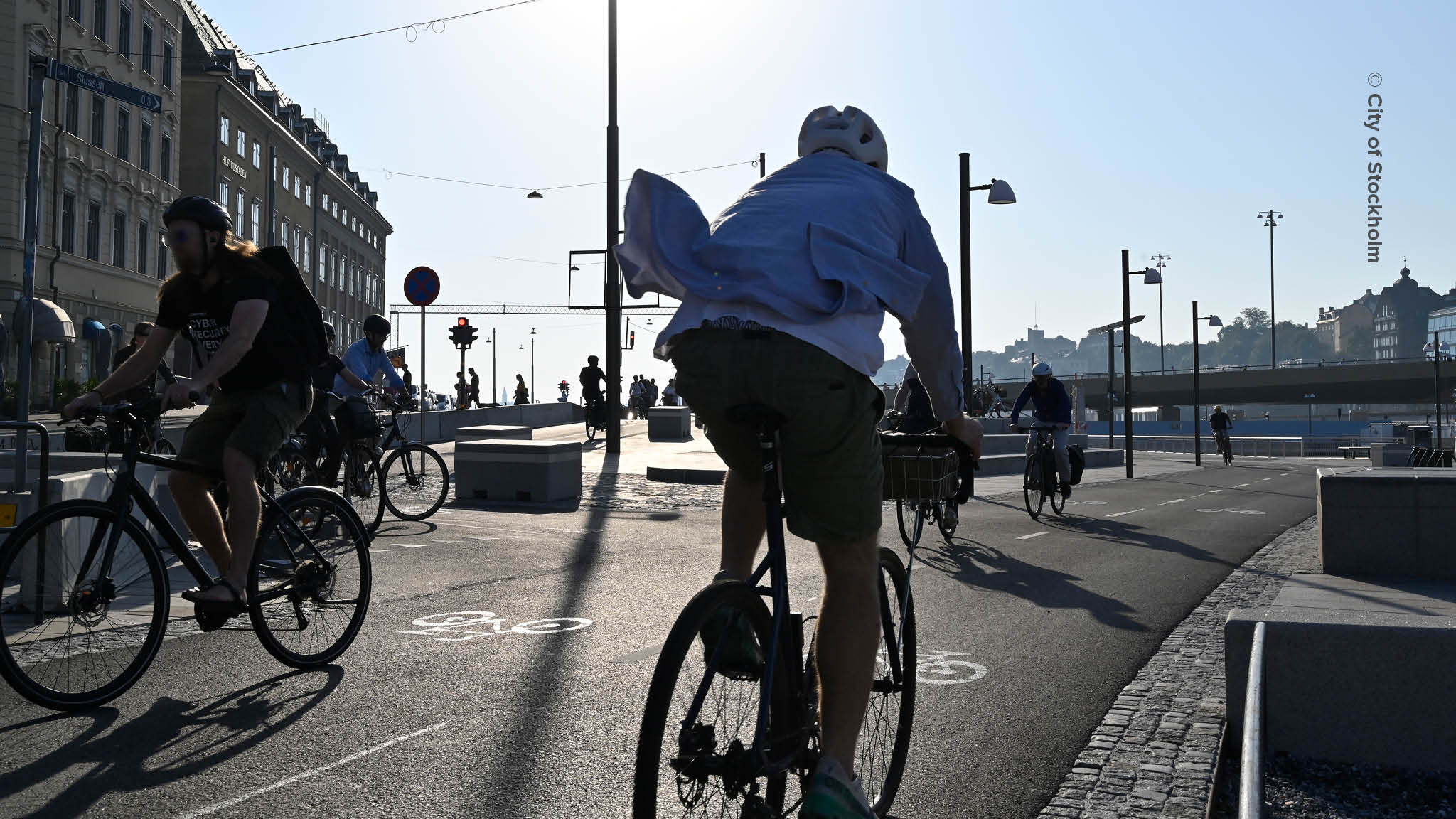
Backed by a substantial dedicated budget, Stockholm is rolling out a new generation of bicycle tracks that are physically separated from car traffic. Crucially, these upgrades are not confined to the historic city center: new protected corridors are being extended into the outer districts to create a complete, organized network. A notable development is the pedestrian and cycle bridge at Slussen, which provides commuters with a much-needed shortcut and will alleviate this congested urban area, connecting to the central station, the center of town, and Södermalm. In a country committed to “Vision Zero”, fatal bicycle crashes remain very low; the shift to protected infrastructure standards aims to keep safety paramount while making cycling more intuitive and accessible to a wider range of riders.
In order to turn infrastructure into daily use, the city must advocate policies prioritizing bike-share schemes over scooters, and expand bicycle parking lots. Today, bicyclists have at their disposal only 46 parking spaces per 1,000 residents, an average ratio that limits convenience and safety. By expanding such bicycle facilities to accompany an already strong public transportation system, last-mile bicycle trips will be bolstered and reducing car trips will be clearly seen as the city’s priority. A user-centered approach with careful attention given to micro-design will help close Stockholm’s quality gap, attract new riders, and strengthen Stockholm’s already-growing cycling use.