Rotterdam

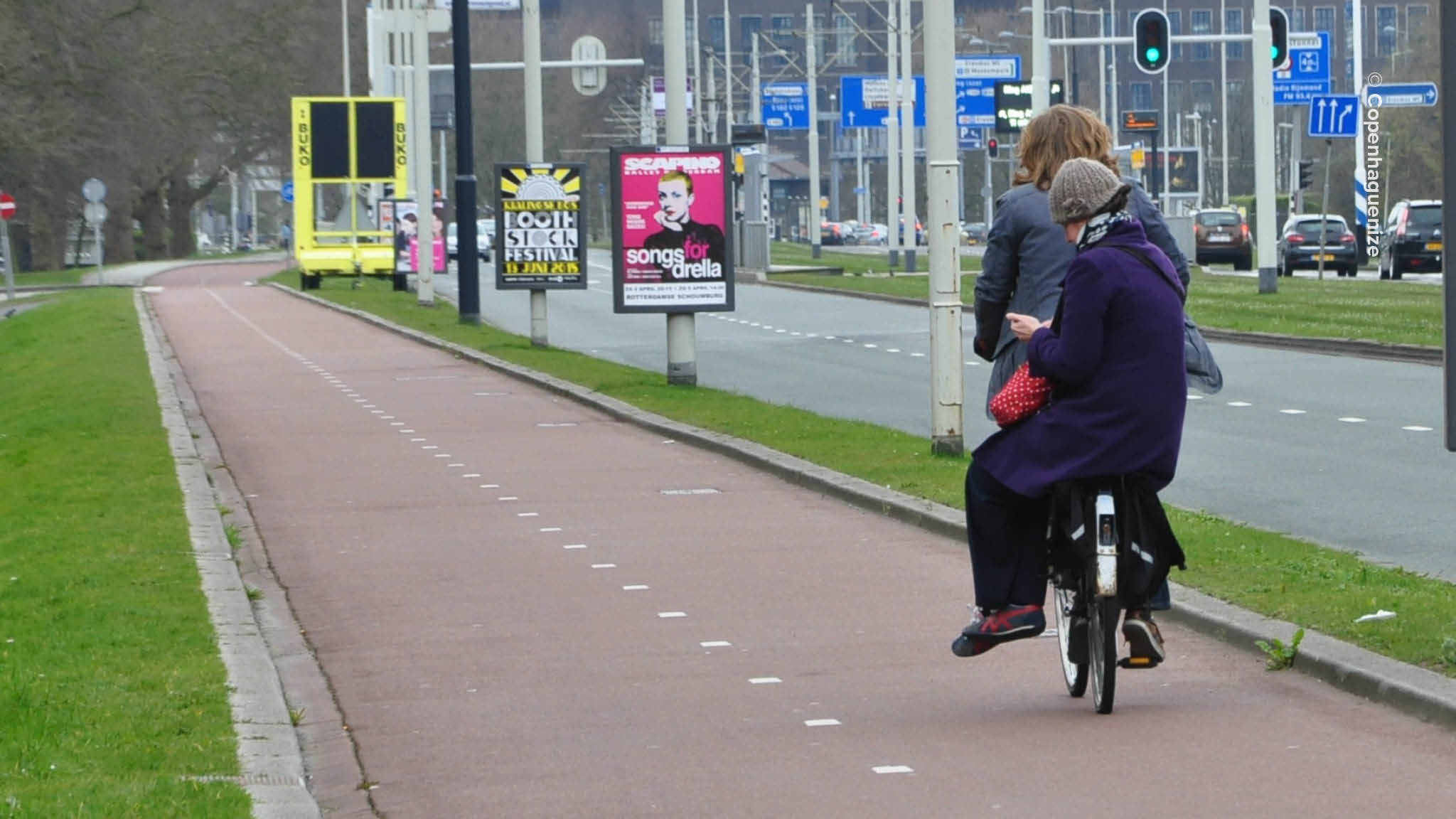
Rotterdam, the Netherlands’ second largest city and Europe’s busiest port, has firmly stepped up its cycling policy ambitions. Its 23% post-Covid bicycle modal share has been reinforced by an extensive network of wide separated cycle tracks, a new city-wide program rolling out lower speed limits, and downtown street transformation projects.

23

  • General score:

    55.1

Detailed Score

Safe and Connected Infrastructure: 50.6

Usage and Reach: 56.8

Policy and Support: 79.2

The Key Lessons

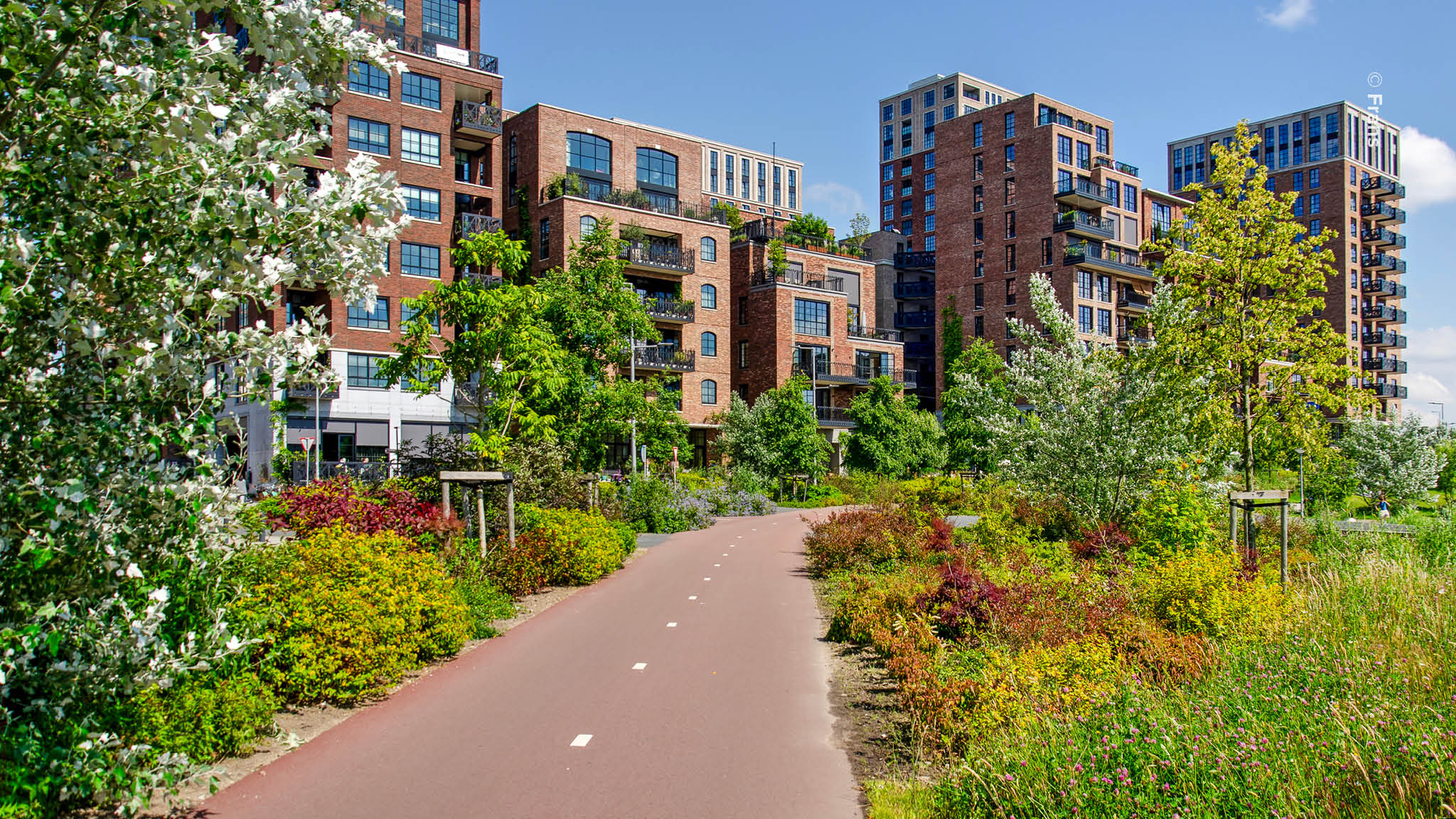
Rotterdam’s transformation begins at its core. The overhauling of Coolsingel, once a car-dominated boulevard, has turned the city’s main artery into a people first axis, a model for Dutch street renewal. The new layout includes a generous 4.5-metre-wide, a two-way cycle track, a 30 km/h speed limit, and a new streetcar line. Since completion, car traffic has dropped by roughly 10,000 vehicles per day. This project is now serving as a model for the adjoining corridors and central squares.

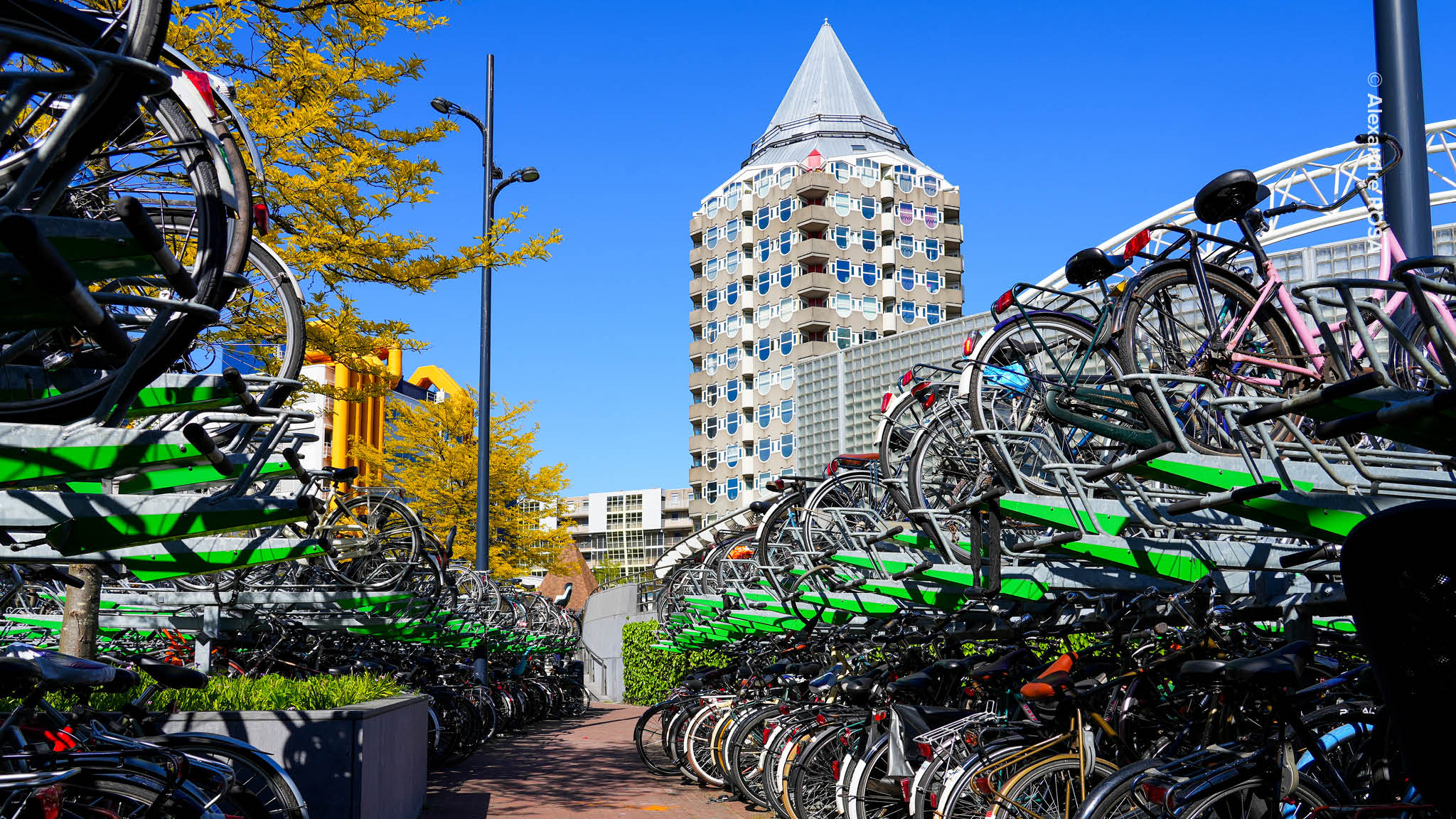
Across the city, Rotterdam is implementing 30 km/h as the new norm, extending this speed limit to 115 streets.  This is part of its effort to promote safe speeds for everyday cycling and walking. Quality standards have been codified in the Handboek de Rotterdamse Stijl, ensuring coherence in materials, layouts, and legibility. The city’s bike-parking design rules also reflect forward thinking: at least 40% of spaces must accommodate oversized bikes, with 10% for cargo and long tail models, addressing the diversity of modern cycling needs.

With 23% bicycle modal share, Rotterdam is among Europe’s strongest cycling cities.

The Way Forward

Safe, high quality planning is Rotterdam’s strength:  a design standard has been set by flagship corridors like Coolsingel, low speed limits have been implemented, a public-realm design handbook has supported and increased everyday use of the network and its services. The next challenge involves decreasing the share of automobile trips in the downtown area, the autoluw (low-car use). Rotterdam’s latest traffic circulation plan suggests shifting through-traffic to its main ring road to free up space for walking and cycling. The debate centers on how to balance business access, parking, deliveries and loading, as the pace of implementation of the new vision advances. The distance and speed at which Rotterdam moves toward a low-car future will define the next leap in comfort, continuity, and confidence for everyday cycling.


Back