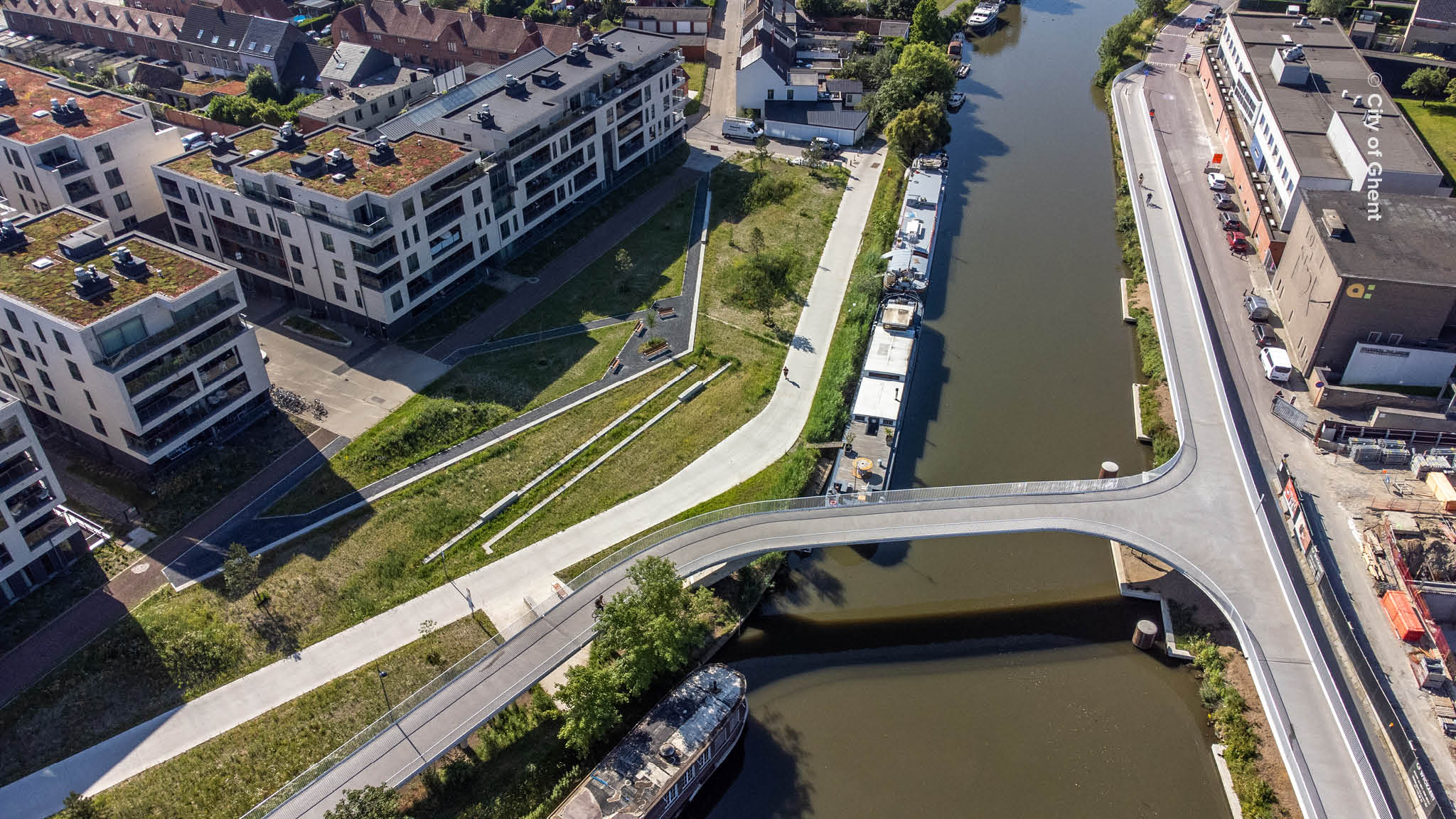
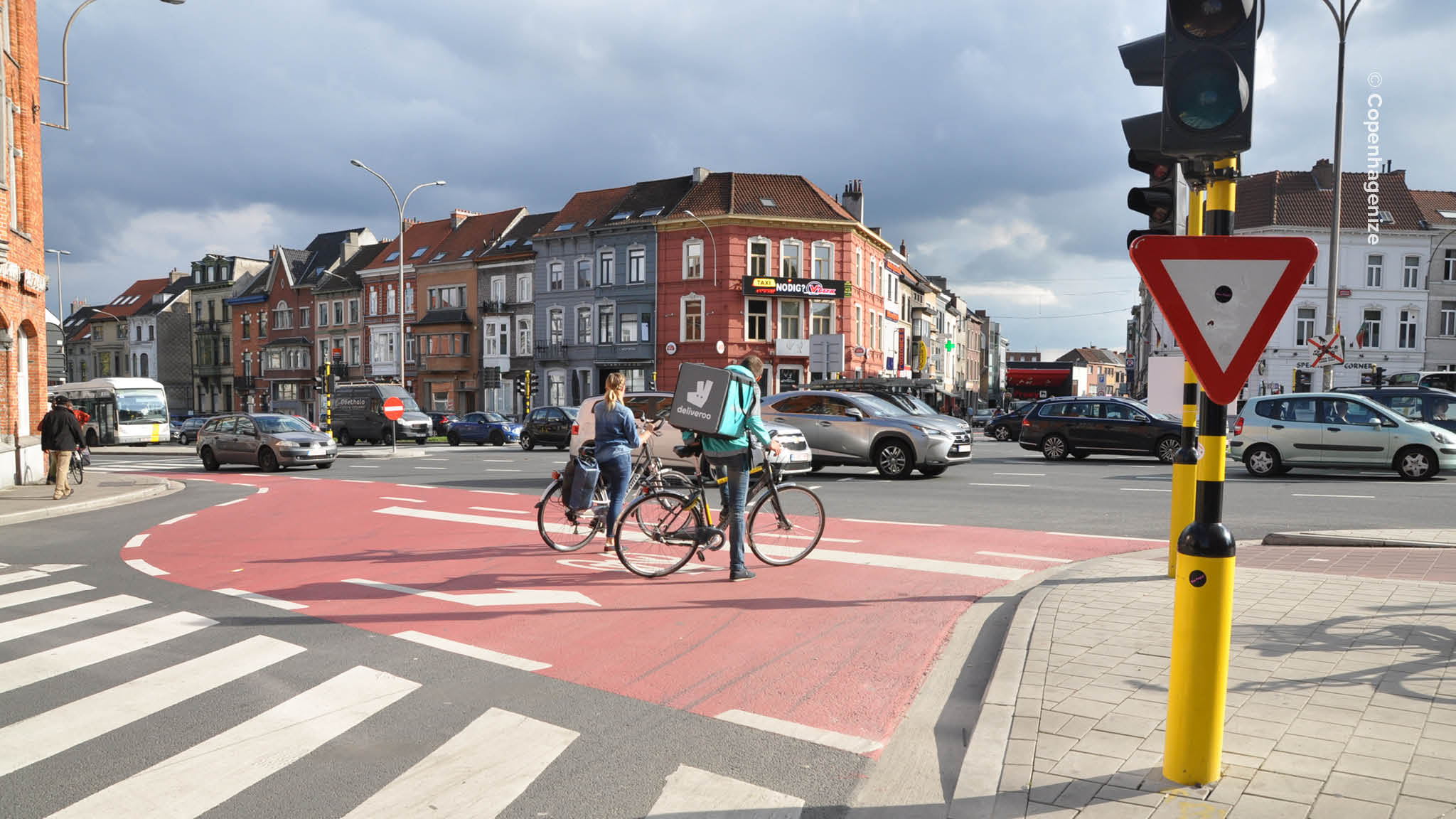
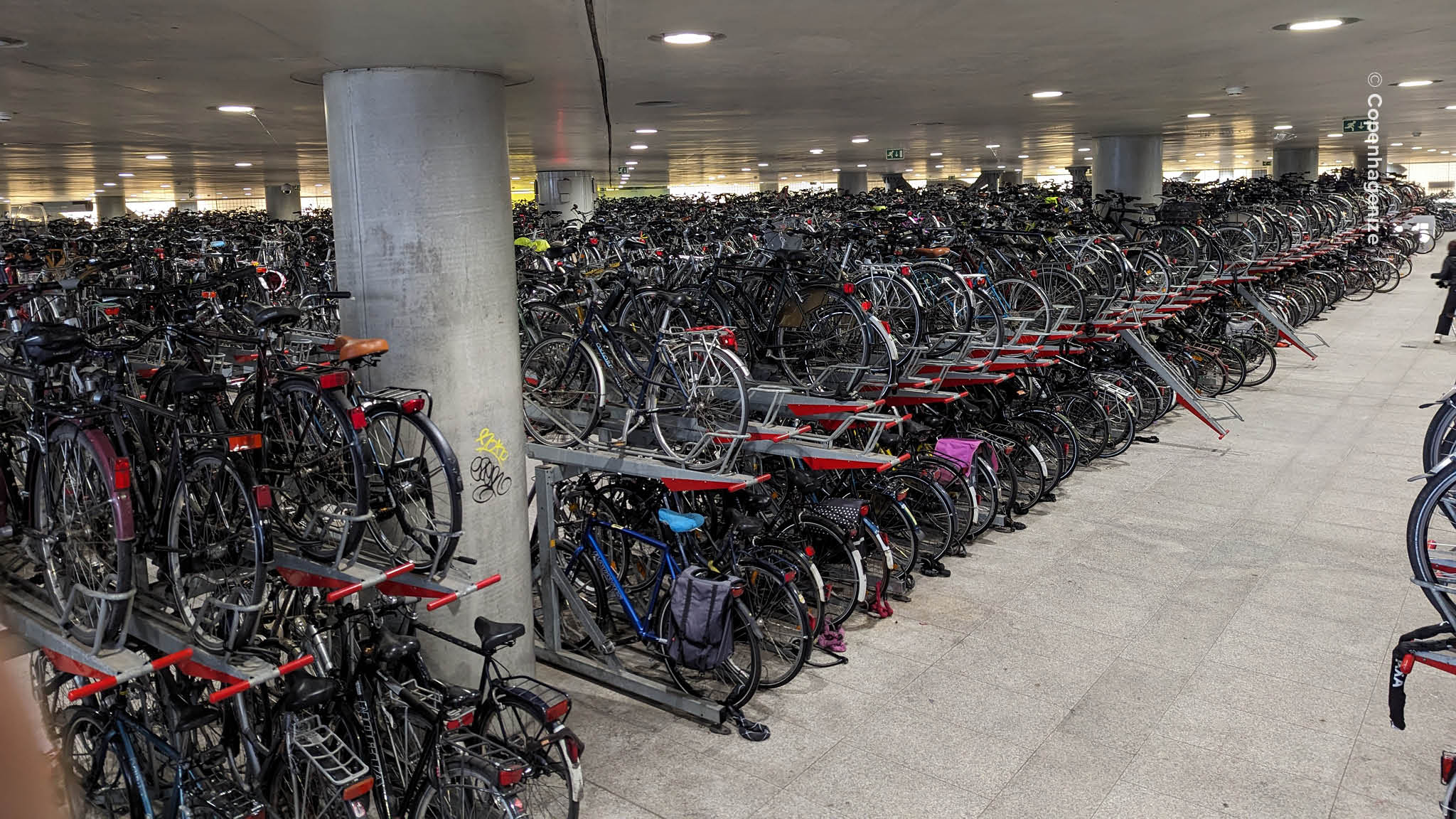
Ghent’s cycling story didn’t start yesterday. Since 1992, its bicycle strategy evolved around four solid pillars: functional infrastructure, parking, awareness, and dedicated governance. The plan identified key corridors across the city, replacing oversized roads with human-size routes and creating bridges and underpasses to keep users safe. The city has also been at the forefront of national innovation, creating the country’s first bicycle street in 2011. Add to that a plan that is boosting bicycle parking and a steady investment in education and promotion, and Ghent’s streets are a reflection of thirty years of consistent, purpose-driven planning.
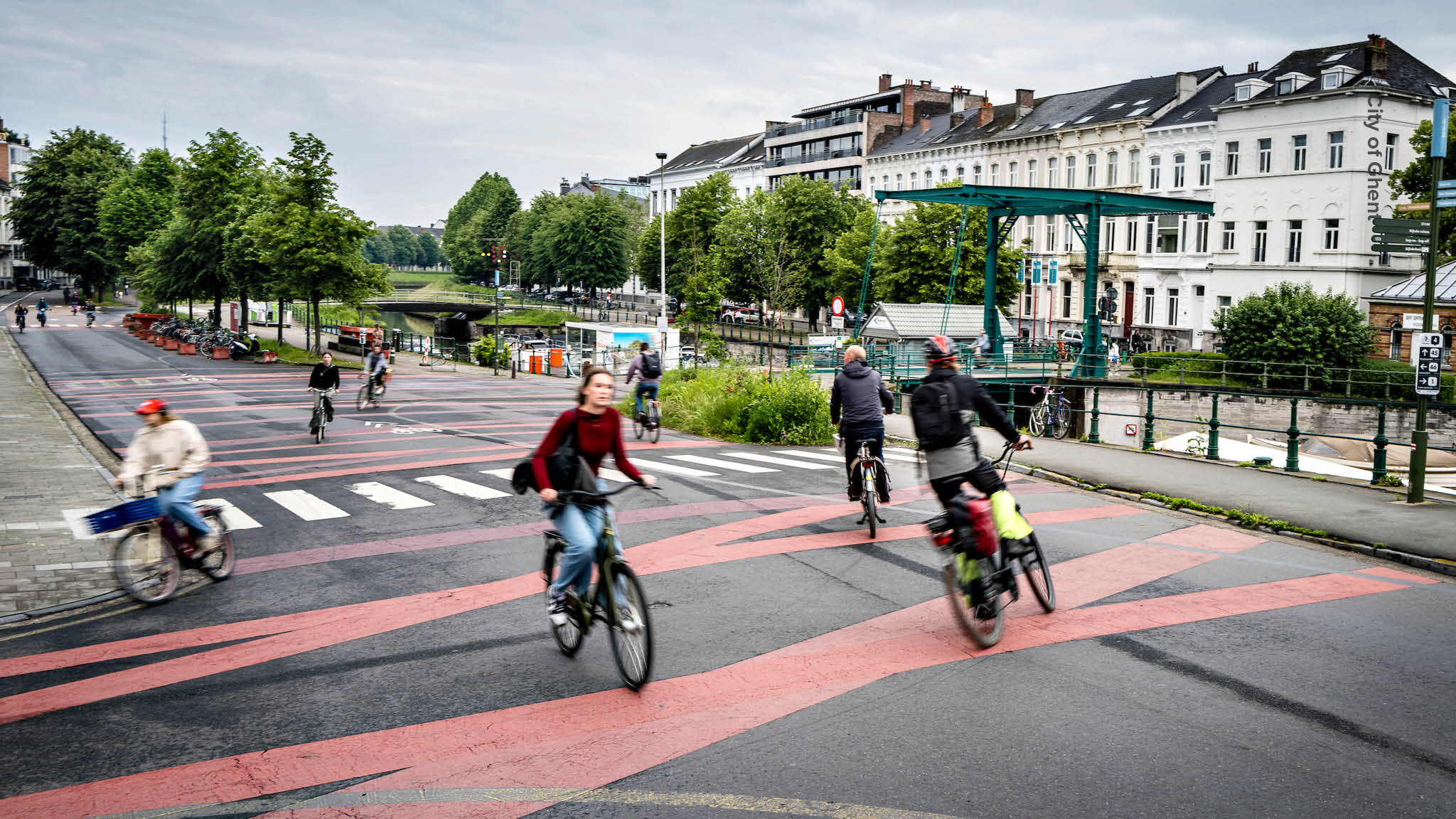
With this circulation plan, Ghent didn’t set out to ban cars. Instead, it set out to shift the paradigm by prioritizing active mobility and public transportation. Motorized traffic through town was systematically rerouted to the ring road and the parking shifted underground, freeing up valuable space for people. The reclaimed streets blossomed into public squares, bicycle streets, and calm areas. The results were seen immediately: a vibrant city center, and a modal share of 34% for cycling, up from 22% a decade ago. In this transformation, Ghent proved that when space is given back to people, they fill it up with life.
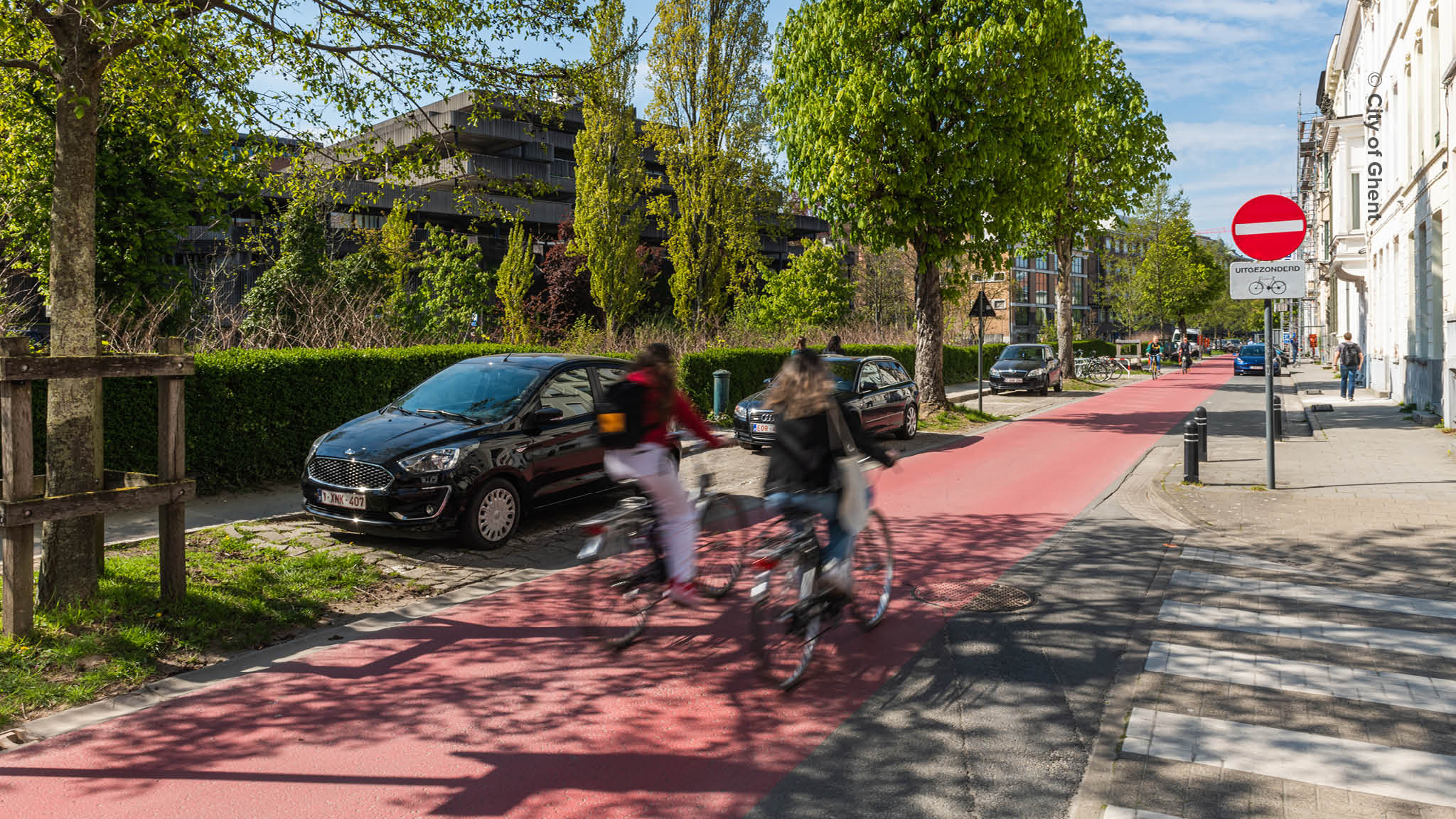
Today, Ghent’s bicycle network is made up of a vast network of calmed neighborhoods, nearly 20 kilometers of bicycle streets and over 300 kilometers of strategically-placed protected lanes, all seemingly connected to the regional cycle highways. But we aren’t just talking about infrastructure here—we are talking about a statement about the quality of life, declaring that bicycles belong to the heart of urban life. The combination of smart planning and civic courage has made Ghent not just bicycle-friendly, but also profoundly people-friendly.