Osaka, Japan
Pillar: Usage and Reach
Indicator: Bike share
In Osaka, HUBchari pairs convenient, station-adjacent bike sharing with dignified jobs for people exiting homelessness, avoiding short car trips while at the same time creating measurable social benefits across the city.
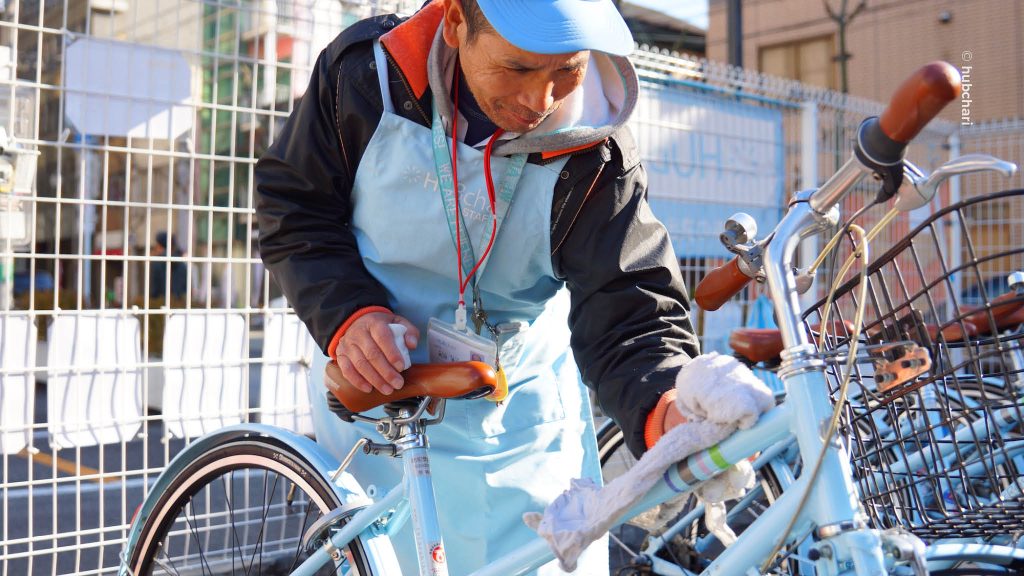
Osaka is a cycling city where short urban trips define daily life. In this landscape, Homedoor, a local certified nonprofit organization dedicated to ending homelessness, saw a chance to link mobility with inclusion. Operating as a social enterprise service, Homedoor launched “HUBchari” in 2011, a bike-sharing initiative created to tackle two chronic challenges at once: congestion and homelessness. The program was designed after fieldwork showed that around 70% of Osaka’s unhoused people already had strong bike-repair and maintenance skills. Today, HUBchari channels those skills into paid work, hiring and training people formerly homeless to run the system. They maintain the fleet, swap batteries, manage the stations, and provide support for customers.
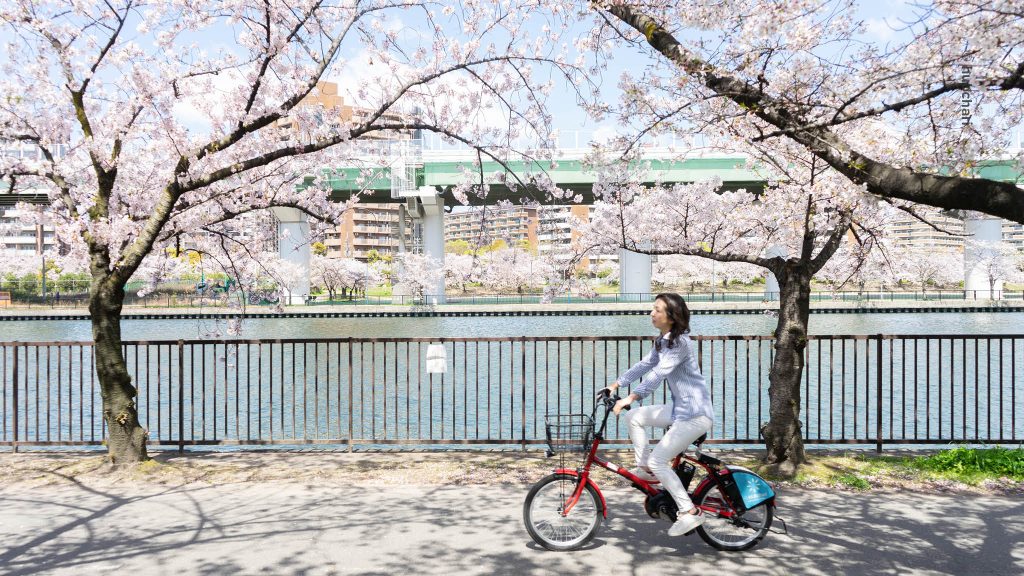
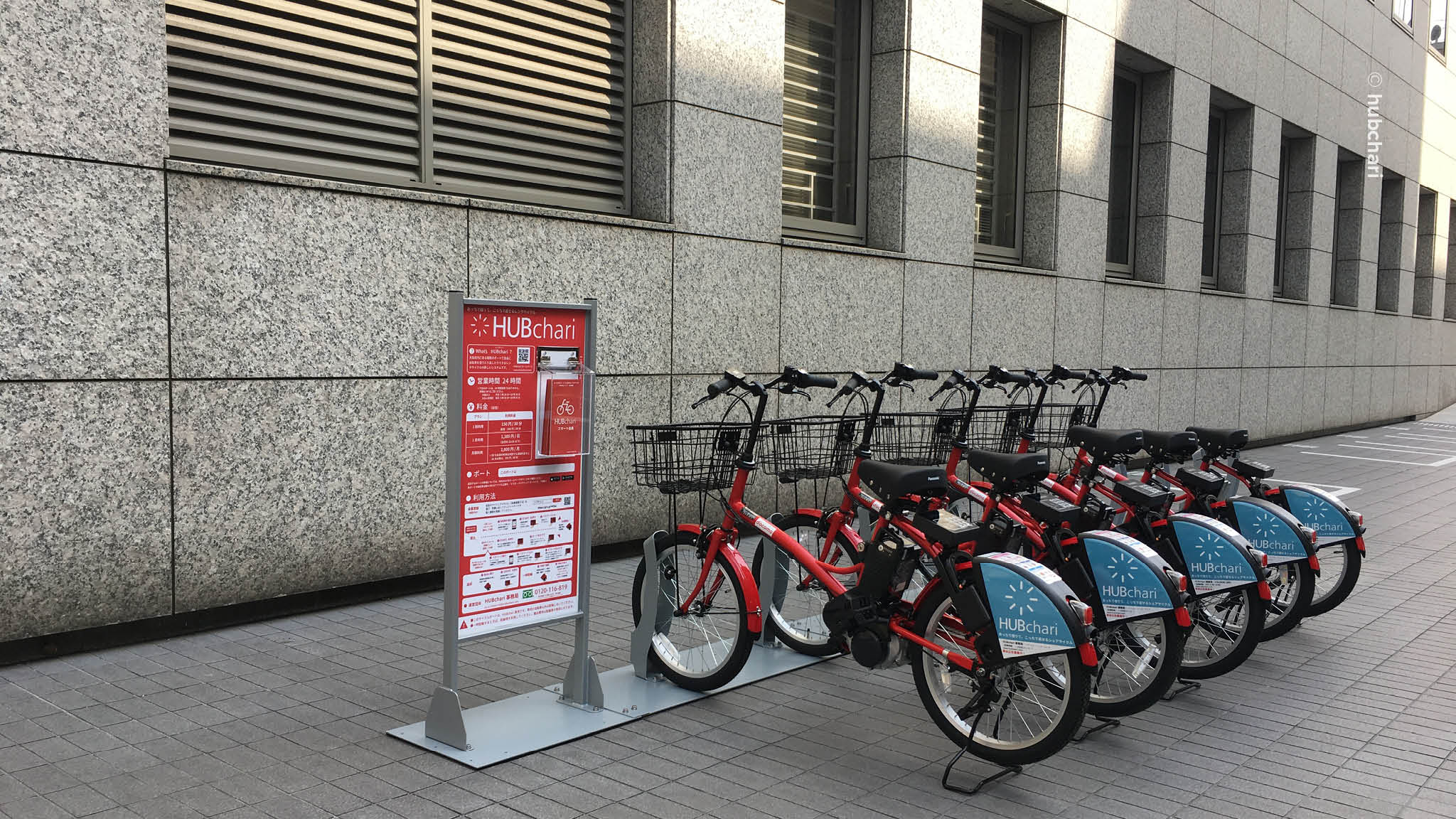
Every day, riders unlock bicycles via an app and return them to any one of 600+ stations across Osaka. HUBchari’s ride revenue is then directly and entirely redistributed to workers’ salaries and shelter operations. Bicycle ports are located beside train stations and key destinations so riders can easily grab an e-bike for the “first and last mile,” switching over from short car or taxi rides to swift and affordable bicycle trips. Pricing remains affordable for residents and visitors, while the program’s wages and wrap-around support are funded by the service itself.
This integrated model has turned everyday commutes into a self-sustaining engine of social impact. In February 2023, Homedoor reported assisting more than 4,300 people across its programs, and HUBchari accounted for around 40% of its revenue, providing evidence that urban mobility not only benefits sustainability, health, and accessibility but can also be an important vehicle for equity and opportunity.
“In Japan, it is difficult to help such people because they don’t gather in specific areas, and many of them don’t look homeless. Our next challenge is to create a system that helps people who are not so visibly in need of support” – Kawaguchi, founder